Admin
Admin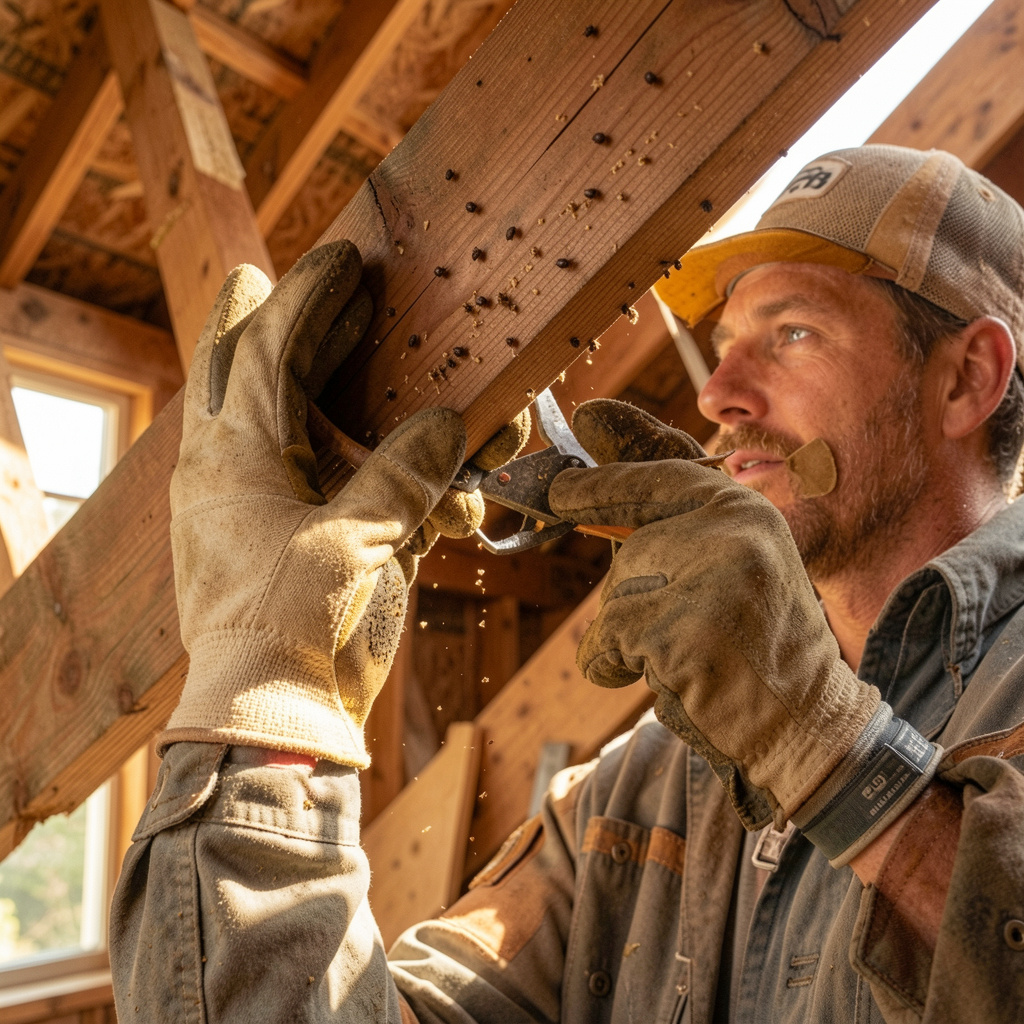
Woodworm is one of the most common causes of timber damage in homes, historic buildings, and wooden furniture. Despite the name, a woodworm is not actually a worm. It is the larval stage of several species of wood-boring beetles that feed on wood before maturing into adult insects. Because most of their life is spent hidden inside timber, woodworm infestations often go unnoticed until visible damage appears.
Understanding the life cycle of a woodworm is essential for homeowners, property managers, and anyone responsible for maintaining wooden structures. Knowing how these pests develop can help you identify infestations early, choose the right treatment, and prevent costly structural damage.
What Is a Woodworm?
The term woodworm refers to the larvae of wood-boring beetles rather than a single species. Some of the most common wood-boring beetles include:
- Common Furniture Beetle
- Deathwatch Beetle
- House Longhorn Beetle
- Powderpost Beetle
Although each species has slight differences, their life cycles are remarkably similar. The greatest damage occurs during the larval stage, when the insects feed on timber from the inside out.
Stage 1: Egg Laying
The woodworm life cycle begins when an adult female beetle lays her eggs on or near wooden surfaces.
She typically chooses:
- Cracks and crevices in timber
- Old exit holes left by previous beetles
- Rough or unfinished wood
- Damp or untreated timber
A single female can lay dozens of eggs during her lifetime, increasing the potential for infestation if conditions are favorable.
The eggs are tiny, white, and almost impossible to see with the naked eye. Depending on the species and environmental conditions, they usually hatch within two to five weeks.
Stage 2: Larval Stage (The True Woodworm)
After hatching, the larvae burrow deep into the timber and begin feeding on the wood. This is the stage commonly referred to as woodworm.
The larvae consume cellulose and other nutrients found within the wood while creating a complex network of tunnels known as galleries. As they feed, they leave behind a powdery waste material called frass, which resembles fine sawdust.
This stage is by far the longest part of the woodworm life cycle.
Depending on the beetle species, wood type, temperature, and moisture levels, larvae may remain inside the timber for two to five years, while some species can stay hidden for up to ten years.
During this period, significant internal damage can occur without any obvious external signs.
Stage 3: Pupal Stage
Once the larva has completed its growth, it forms a small chamber near the surface of the timber and enters the pupal stage.
Inside this protective chamber, the insect undergoes a remarkable transformation from a soft-bodied larva into a fully developed adult beetle.
This stage generally lasts two to eight weeks, depending on environmental conditions such as temperature and humidity.
Although no feeding occurs during pupation, the wood has already sustained considerable damage from years of larval activity.
Stage 4: Adult Beetle Emergence
After completing its transformation, the adult beetle chews through the surface of the wood and emerges into the open.
This creates the familiar small round exit holes, typically between 1 mm and 3 mm in diameter, depending on the species.
Many people mistakenly believe these holes are where the beetles entered the wood. In reality, they are exit holes, indicating that the insect has completed its development.
Adult beetles usually emerge during the warmer months, particularly from late spring through summer, when temperatures are ideal for reproduction.Visit online https://www.shashel.eu for more details.
Stage 5: Mating and Reproduction
The adult beetle’s primary purpose is reproduction.
After emerging, males and females mate, and the females begin searching for suitable timber in which to lay their eggs.
Adult beetles generally live for only a few weeks, but during that short time they can produce the next generation of woodworm.
Once egg laying is complete, the adults die, while the newly hatched larvae continue the cycle inside the wood.
How Long Does the Entire Life Cycle Take?
The complete life cycle varies depending on several factors, including beetle species, wood type, moisture levels, and environmental conditions.
On average:
- Egg stage: 2–5 weeks
- Larval stage: 2–5 years (sometimes longer)
- Pupal stage: 2–8 weeks
- Adult beetle stage: 2–4 weeks
Overall, the entire life cycle typically lasts three to five years, although certain species may take much longer to complete their development.
Why the Larval Stage Causes the Most Damage
The larval stage is responsible for nearly all woodworm damage.
As larvae tunnel through timber, they:
- Create extensive internal galleries
- Weaken structural strength
- Produce powdery frass
- Reduce the value of furniture
- Compromise beams, joists, and floorboards
Since the damage occurs beneath the surface, wood may appear perfectly healthy until serious weakening has already occurred.
Factors That Affect the Woodworm Life Cycle
Several environmental conditions influence how quickly woodworm develops.
Moisture
Damp timber provides ideal conditions for many wood-boring beetles. Poor ventilation, roof leaks, and high humidity increase the risk of infestation.
Temperature
Warmer temperatures accelerate beetle development, while colder environments may slow the life cycle.
Type of Wood
Different beetle species prefer different types of timber. Softwoods such as pine are commonly attacked by the Common Furniture Beetle, while hardwoods may attract Powderpost Beetles.
Age of Timber
Older, untreated wood is generally more vulnerable because it lacks modern protective treatments.
Signs of an Active Woodworm Infestation
Understanding the life cycle also helps identify active infestations.
Look for these warning signs:
- Fresh, light-colored exit holes
- Fine powdery frass beneath wooden surfaces
- Live adult beetles during spring or summer
- Weak or crumbling timber
- Tiny tunnels visible in cut or damaged wood
Old exit holes alone do not necessarily indicate an active infestation, but fresh frass and newly formed holes usually do.
How to Prevent Woodworm
Preventing woodworm is much easier than repairing extensive timber damage.
Effective preventive measures include:
- Keep indoor humidity below recommended levels.
- Repair leaking roofs and plumbing promptly.
- Improve ventilation in lofts and basements.
- Treat exposed timber with suitable wood preservatives.
- Inspect antique furniture regularly.
- Avoid storing damp wood indoors.
- Schedule professional inspections for older properties.
Routine maintenance can significantly reduce the likelihood of infestation.
When Should You Seek Professional Help?
Professional assistance is recommended if:
- Structural beams show signs of weakening.
- Fresh exit holes continue appearing.
- Large quantities of frass are present.
- Multiple areas of the property are affected.
- You’re uncertain whether the infestation is active.
A qualified timber specialist can identify the beetle species, determine the extent of the infestation, and recommend the most appropriate treatment.
Conclusion
The life cycle of a woodworm is much longer and more destructive than many homeowners realize. While adult beetles live for only a few weeks, their larvae can spend several years hidden inside timber, silently causing extensive damage before emerging through small exit holes.
By understanding each stage—from egg to larva, pupa, and adult beetle—you can recognize early warning signs and take action before serious structural problems develop. Regular inspections, moisture control, and timely treatment remain the best defenses against woodworm infestations, helping to protect your home, furniture, and valuable wooden structures for years to come.